Safeguard estate assets
The personal representative manages the estate's property, including the family home, until it is distributed or sold.
Guide for Executors, Administrators & Families
This guide explains, in general terms, how a house is sold during probate in Los Angeles County: how the court-supervised process works, what executors and administrators are responsible for, when court approval may be required, and what the Independent Administration of Estates Act (IAEA) means for a sale.
Daniel Racedo, Realtor with eXp Realty and a Certified Probate Real Estate Specialist with 40 years of experience serving the San Fernando Valley and surrounding LA County communities, prepares and markets probate properties every year. The information here is general education, not legal advice: consult your probate attorney for guidance specific to your case.

The Court-Supervised Process
When someone dies and their estate must be administered through the court, the process is called probate. The court appoints a personal representative, known as the executor if named in the will or the administrator if appointed by the court, to manage the estate. The representative identifies and safeguards the estate's assets, which often include the family home.
If the estate needs cash to pay debts, taxes, or administration costs, or if the will directs a sale, real property can be sold during the administration. The home is listed and marketed much like any other property, but the process carries a second layer of oversight: court-driven steps, deadlines, and approvals that a traditional sale does not have.

The court appoints the personal representative and issues authority to act.
The estate's assets, including the home, are identified and valued.
The property is priced, prepared, and marketed to qualified buyers.
An offer is accepted, and court approval may be required before closing.
Proceeds go into the estate and are distributed per the will and the court.

Who Acts for the Estate
Legal duties vary by estate, and the estate's attorney is the right person to confirm what a specific representative must do. In general terms, the personal representative carries these responsibilities.
The personal representative manages the estate's property, including the family home, until it is distributed or sold.
Income, expenses, and every estate transaction are documented, because the representative is accountable to the court and the beneficiaries.
A fiduciary duty to treat everyone fairly and avoid conflicts of interest runs through every decision, including the sale of the home.
Filings, deadlines, court appearances, and legal steps are the attorney's domain, and the representative keeps them moving.
Appraisals, upkeep, utilities, insurance, and tenant or family coordination often fall to the representative, sometimes from far away.
Preparing, pricing, marketing, and coordinating the sale is his job, so the representative can focus on the estate's bigger picture.
Court Approval
In many California probate sales, an accepted offer is not the finish line. When court confirmation is required, the sale is noticed and scheduled for a hearing. At that hearing, qualified bidders may make higher offers than the accepted contract, called overbids, and the court decides the sale to the highest qualified bidder under the rules that govern probate sales. Buyers and agents who know the confirmation process structure their offers accordingly.
Whether confirmation applies depends on the authority the personal representative holds and other estate-specific factors. Daniel explains how this affects an offer on a specific property and helps structure listings so realistic buyers understand the process from day one. For a case-specific answer, ask your probate attorney.
The Independent Administration of Estates Act
Under California's Independent Administration of Estates Act, the court may grant a personal representative full or limited authority. The distinction matters most for real property, because it changes whether the sale of the home needs a confirmation hearing.
A personal representative granted full authority under the IAEA can handle most estate matters without case-by-case court approval, including the sale of real property. The representative generally provides notice to interested parties before the sale and can proceed if no one objects, which can mean a faster, more predictable path for the home. Exceptions exist, for example when someone objects or when the sale involves a conflict of interest, and the court can restrict or revoke authority at any time.
A personal representative granted limited authority acts independently on many routine matters, but the sale of real property requires court supervision. The sale goes through the confirmation process, including the hearing where qualified overbidders can participate. Limited authority does not mean nothing can be sold; it means the sale of the home carries more court involvement and a clear, well-documented process.
In plain language: full authority often lets the estate sell the house on notice without a confirmation hearing, while limited authority sends the sale of the house before the court for approval. Which authority applies is determined by the court and the estate's circumstances. Your probate attorney can tell you what applies in your case; this explanation is general education, not legal advice.
What Slows Sales Down
None of these is a reason to panic, and all of them are part of the reason an experienced specialist makes a difference.
The court or the lender requires an appraisal, and scheduling one can add weeks, especially for vacant or unusual properties.
Hearings follow the court's schedule, not yours. Dates for filings, approvals, and any confirmation shape the overall timeline.
When confirmation is required, qualified bidders can challenge the accepted offer at the hearing. The outcome is the court's to decide.
Vacant homes invite vandalism or code problems; occupied homes need tenant or family coordination. Both need a plan from day one.
Notices, inventories, accountings, and disclosures must line up correctly. Small mistakes can delay a closing by weeks.
Most probate delays are avoidable when the property is priced right, prepared for court scrutiny, and marketed to buyers who understand the process.
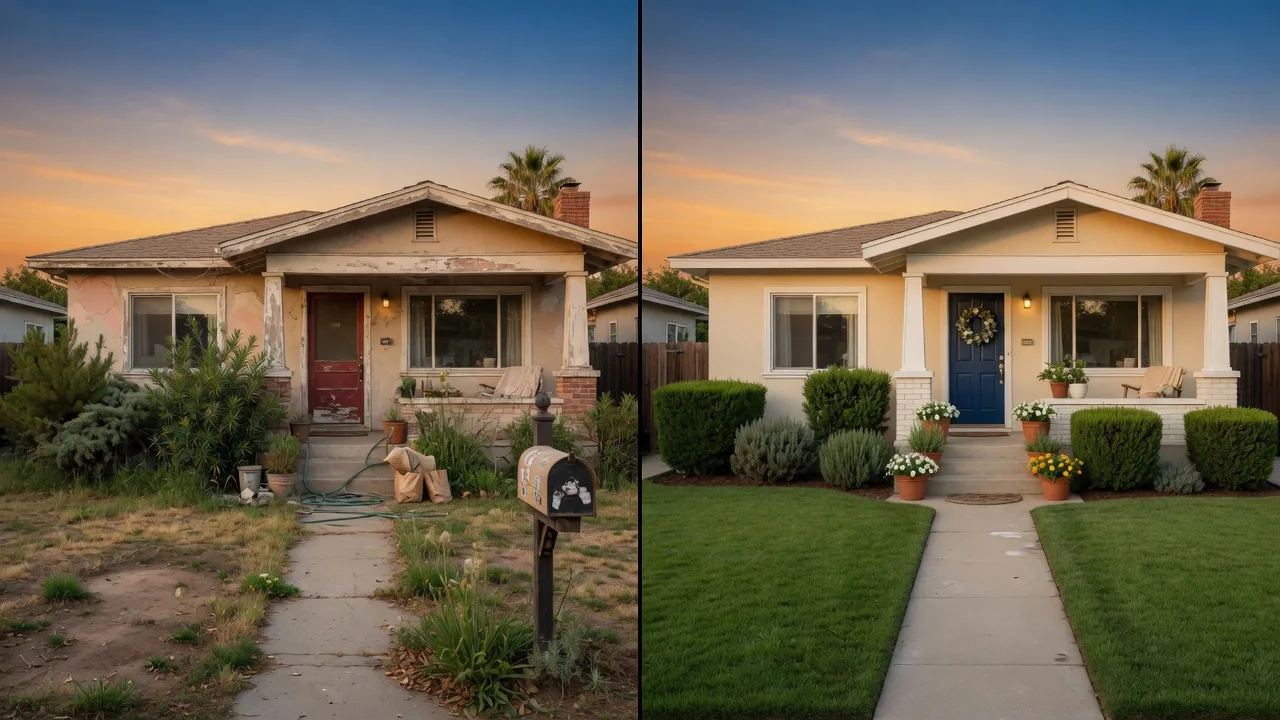

How Daniel Can Help
For a full picture of how Daniel prepares, prices, and markets probate and trust properties, see the Services page .
Begin with a free estate property valuation so the estate, the beneficiaries, and the court all work from the same realistic numbers.

Frequently Asked Questions
These answers cover the questions executors and administrators ask most. For guidance specific to your estate, consult your probate attorney.
No. Whether confirmation is required depends on the authority the personal representative holds and the estate's circumstances. Under full authority under the Independent Administration of Estates Act, a sale can often proceed after notice without a confirmation hearing; under limited authority, the sale of real property goes before the court. Your probate attorney can confirm what applies to your estate.
When a probate sale must be confirmed by the court, qualified bidders may offer more than the accepted contract price at the confirmation hearing. The court then decides the sale to the highest qualified bidder under the rules that govern probate sales. It is one reason realistic pricing and court-ready preparation matter so much.
The personal representative, guided by the estate attorney and by current market data, typically sets the list price. Appraisals, comparable sales, and property condition all factor in. Daniel prepares valuations based on today's Los Angeles County market so the price is defensible to the estate, the beneficiaries, and the court.
Probate sales generally take longer than traditional sales because of court calendars, notices, appraisals, and possible confirmation. Every estate is different, so no one can promise a specific date. After one conversation, Daniel will give you a realistic sense of the timeline for yours.
Answers above are general information about real estate services, not legal or tax advice. Please consult your probate attorney for guidance specific to your case.
Daniel Racedo is a real estate professional, not an attorney, CPA, or tax advisor. Probate matters are governed by the California Probate Code and by orders of the court, and every estate is different. The information on this page is general education about real estate services, not legal or financial advice. Consult your probate attorney for case-specific guidance, and your CPA or tax advisor for tax questions. No guarantee of sale price, timeline, or outcome is made or implied.
Get a free, no-obligation estate property valuation and a straight answer about how your probate sale is likely to unfold, from a Certified Probate Real Estate Specialist with 40 years of experience. Let's talk real estate.