This guide explains how inherited homes are typically sold in California: what happens
when the property passes to you, the practical steps of a sale, and the difference
between selling through a trust and through probate.
Daniel Racedo, Realtor with eXp Realty and a Certified Probate Real Estate Specialist
with 40 years of experience serving the San Fernando Valley and surrounding Los Angeles
County, walks families through each step.
The information here is general education, not legal or tax advice.
When a homeowner passes away, their real estate passes to new owners based on how the
property was titled and what estate documents exist. A will or a living trust may name
who inherits; if neither exists, California's intestate succession rules determine the
heirs. Some property passes directly by operation of law, such as community property
with right of survivorship or a transfer-on-death deed, while other property must go
through court-supervised probate before anyone can act on it.
Once ownership is clear, the people responsible for the estate make a choice shared by
most families: keep the home, rent it out, sell it to a family member, or sell it on
the open market. Each option has real consequences for the estate's timeline, expenses,
and distribution to heirs. There is no single right answer, and many families start by
getting a current market valuation so the decision rests on real numbers rather than
emotion.
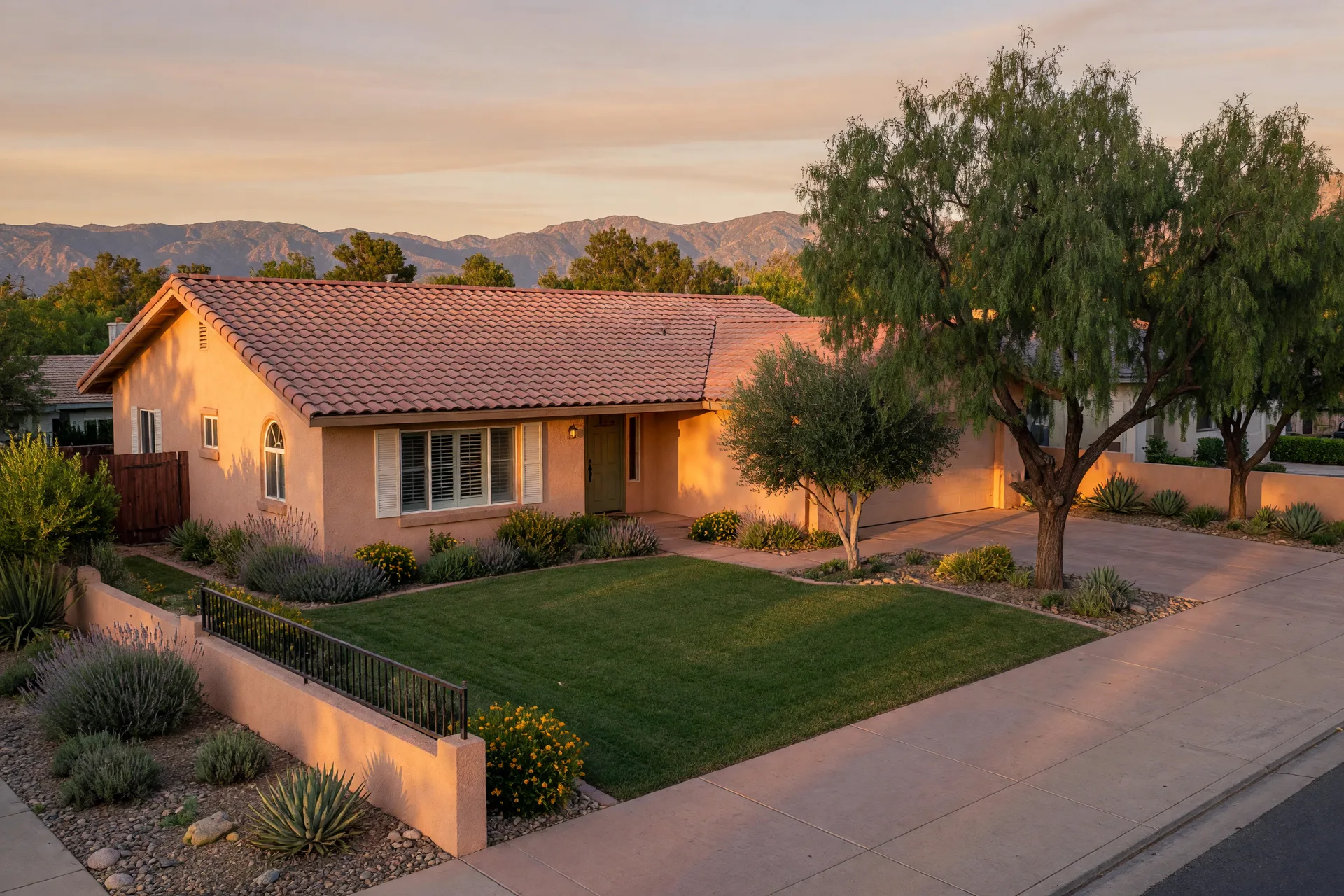
Illustrative image. Estate decisions are often a family process.
Timelines vary widely. A trust sale can sometimes move at the pace of a traditional
sale, while a probate sale follows court calendars and commonly takes longer.
Meanwhile, property taxes, insurance, utilities, and any mortgage payments keep
running, so it helps to understand the carrying costs early. This is practical context,
not legal advice: your attorney, CPA, or tax advisor confirms what applies to your
estate.
The Sale Step by Step
The steps involved in selling an inherited home.
These are general, practical steps. The estate's attorney guides the legal paperwork,
and Daniel handles the real estate side from valuation to closing.
01
Confirm who has authority
The authority to sell depends on the property's ownership, trust documents, probate appointment, and applicable legal requirements. The will, trust document, letters of appointment, or court orders identify who may sign for the estate. This comes first because only the authorized person can list the home or accept an offer.
02
Gather the key documents
Find the deed, trust or will, mortgage statements, insurance, property tax bills, and any leases or liens. Understanding what the estate owns and owes shapes the entire sale plan.
03
Have the property assessed
Even a walk-through with someone who knows construction helps you understand condition, deferred maintenance, and code concerns. Daniel's hands-on background gives heirs a sharper read on the home.
04
Get a current market valuation
A personalized, no-obligation valuation tells you what the home is worth in today's San Fernando Valley market. It is the foundation for every pricing decision that follows.
Some homes benefit from repairs and staging; others sell best as-is, priced honestly for condition. The choice depends on the home, the estate's timeline, and the market.
06
Develop a Marketing Strategy to Attract Qualified Buyers.
A well-prepared listing with accurate pricing and broad exposure attracts the strongest buyers, including the investors who actively look for probate and estate homes. Daniel handles the marketing, showings, and negotiations while coordinating the sale with the estate team.
07
Coordinate escrow and closing with the estate team
The estate's attorney, and in probate cases the court, have requirements that must line up. Daniel coordinates with them so the closing stays on track.
Trust vs. Probate
Selling through a trust versus through probate.
In plain language: a trust generally keeps the home out of court probate, while a
probate estate goes through it. That one difference shapes who signs, who approves the
price, how long the sale takes, and what paperwork is required.
Trust sale
When a home is owned by a living trust, the trustee holds authority to manage and sell
the trust's real property under the terms of the trust document. Trust property
generally passes to beneficiaries outside of court probate, which usually means a
simpler, faster path to sale. The trustee still acts for the benefit of the
beneficiaries, which typically means fair pricing, careful documentation, and clear
communication throughout.
When an estate must be administered through the court, the executor or administrator
is appointed by the court and acts under its supervision. Selling real property during
probate follows court rules, and in many California estates the sale is confirmed by
the court after an offer is accepted. Not every probate sale requires court
confirmation: the requirements depend on the personal representative's authority and
the procedures that apply to that estate. Probate sales are common, but they operate
on court calendars and include steps that a traditional sale does not.
This distinction is general education. Daniel will help identify which situation applies to
the property and how it affects the sale; your attorney confirms the legal steps for your
specific estate.
None of these challenges is a reason to panic. They are reasons to work with someone who
has helped families through each one many times.
Multiple beneficiaries
When several heirs inherit together, the sale has to work for several sets of expectations. Heirs may disagree about whether to sell, how to price the home, or how to divide the proceeds. Clear communication and neutral, data-based pricing resolve most conflicts.
Emotional weight
A family home holds memories. Selling it can stir grief and tension among the people who loved its owner most. An experienced agent who listens more than he talks keeps the process respectful and moving.
Out-of-state owners
Decision-makers often live hundreds or thousands of miles away. Daniel can coordinate inspections, property evaluations, repairs, cleanouts, marketing, and the sale process for owners who cannot be physically present, keeping you informed at every step so the distance never slows the sale.
Deferred maintenance
Homes that sat vacant can carry years of deferred upkeep, from roofing and plumbing to pest and code issues, and tenant-occupied inherited homes bring lease, access, and occupancy questions of their own. Daniel's construction background and estate experience help separate what truly matters from what does not, whether the home sits empty or is currently rented.
Financing and title questions
Heirs sometimes ask whether they must qualify for a mortgage to sell, or how title is cleared. In most estate sales the home is sold free and clear, but questions like these are exactly what an experienced estate agent and the estate's attorney resolve early.
You Don't Have to Handle This Alone.
Whether you're an executor, trustee, or beneficiary, Daniel Racedo can help coordinate
the real estate side of selling an inherited property—from evaluating its
condition to preparing, marketing, and selling the home.
Every estate sale eventually faces this question. Selling as-is means marketing the
home in its current condition, priced to reflect that, with no repairs or renovations
before closing. Preparing the property means investing time and money in repairs,
staging, or updates to widen the buyer pool and potentially improve the final price,
with no guarantee of a specific result.
There are honest trade-offs on both sides. As-is is faster and simpler, which matters
to estates on a timeline or with owners far away. A prepared sale can attract more
buyers and stronger offers, but it costs time and money up front.
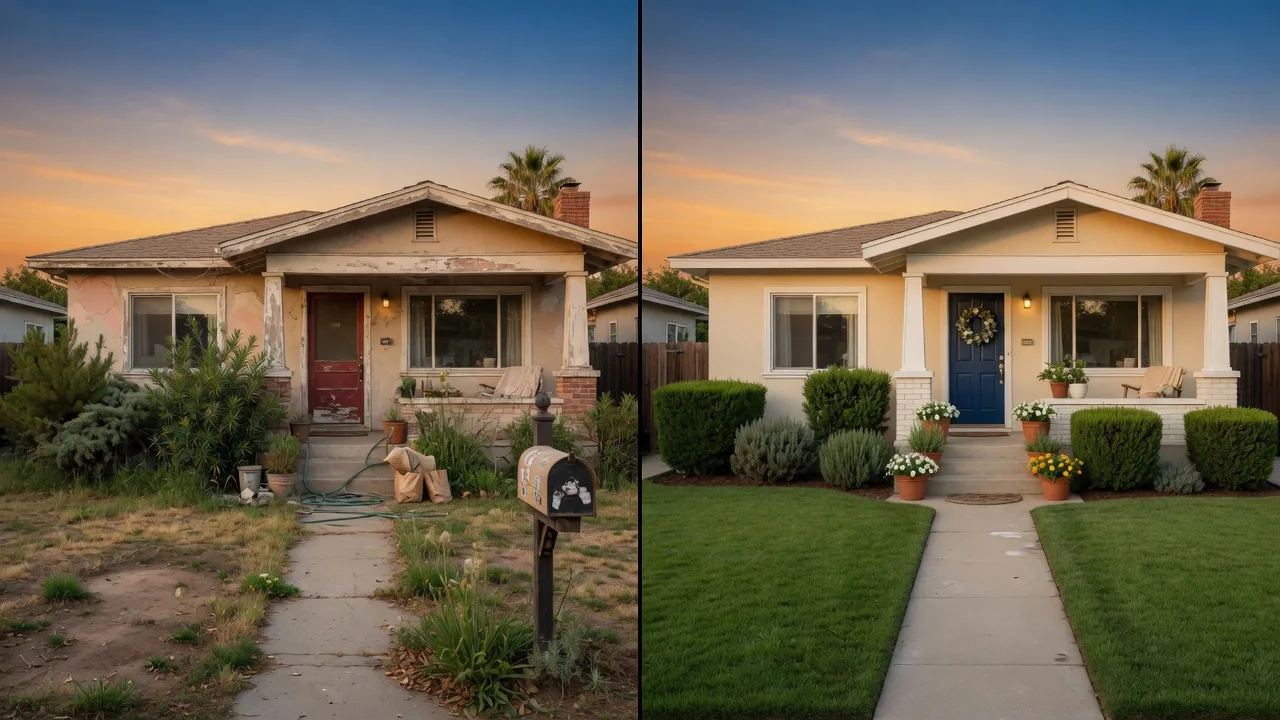
Illustrative image. Preparing a home for sale.
Daniel helps families weigh the carry costs, the estate's timeline, and the home's
actual condition before a single dollar is spent. Our
as-is versus repairs guide
compares the options in depth, and a
free estate property valuation
shows what the home is worth either way.
Illustrative before-and-after. Preparing an inherited property for sale.
Daniel Racedo, Realtor with eXp Realty, CA DRE License 00989968.
How Daniel Can Assist
40 Years of Real Estate Experience. Specialized Guidance for Inherited Property Sales.
A Certified Probate Real Estate Specialist (CPRES) who works with executors, trustees, heirs, and their attorneys every day.
40 years of experience in residential and commercial real estate across Southern California, including the San Fernando Valley and neighboring Los Angeles County communities.
Hands-on construction knowledge to assess condition, estimate repair scope, and price the property realistically.
Close coordination with the estate's attorney, appraisers, inspectors, and escrow so the sale stays on track.
Clear, plain-language communication for families, including out-of-state owners, at every stage of the sale.
Start with a
free estate property valuation, then talk through the results in a no-obligation conversation. Daniel will walk you
through each option and confirm how the sale is likely to unfold for your family.
Illustrative image. Personalized guidance for inherited property sales.
Frequently Asked Questions
Straight answers about inherited home sales.
Every family's circumstances differ, and Daniel is happy to talk through yours
personally. These answers cover the questions he hears most often from heirs.
Do we have to sell the inherited house?
No. Many families keep the home, rent it out, or have one heir buy out the others. Selling is one option, not a requirement. The right choice depends on the family, the estate, and the market, which is why a free estate property valuation makes a useful starting point. Daniel will walk you through the options without pressure, and legal steps always stay in the hands of your attorney.
Can the house be sold while the estate is still in probate?
Yes. Selling real property is a common part of estate administration in California, and the sale can proceed while the estate is open. The executor or administrator works with the estate attorney, and the sale follows the court rules that apply to that estate, which can include court confirmation of the sale.
What if one heir wants to keep the home and another wants to sell?
Disagreements like this are common. Options include one heir buying out the others, selling and dividing the proceeds, or renting the property. A realistic valuation gives everyone the same numbers to work from, and Daniel is experienced at communicating clearly with multiple beneficiaries so the family can reach a decision with less friction.
How long does it take to sell an inherited house in California?
It depends on how the property is titled and what the estate requires. A trust sale can sometimes move at the pace of a traditional sale, while a probate sale follows court calendars and commonly takes longer. Daniel will give you a realistic timeline for your situation after one conversation. No agent can promise an exact date, and he does not.
Can I sell an inherited house in California without making repairs?
Yes, in many cases. Inherited properties can often be sold as-is, depending on the property and the circumstances. Evaluating the potential costs and benefits of repairs helps you choose the best selling strategy, and a free estate property valuation can show what the home is worth either way.
Do I need a probate real estate specialist to sell an inherited property?
No. California does not generally require a special probate real estate certification to sell inherited property. However, working with an experienced real estate professional familiar with probate, trust, and estate transactions can help coordinate the real estate process while your attorney handles the legal steps.
Answers above are general information about real estate services, not legal or tax
advice. Consult your attorney, CPA, or tax advisor about your estate's specifics.
Whether you're an executor, trustee, or beneficiary, Daniel Racedo can help you
understand your property's current market value and explore your selling options.
Daniel Racedo is a real estate professional, not an attorney, CPA, or tax advisor. The
information on this page is general education about real estate services and does not
constitute legal, tax, or financial advice. Probate, trust, and estate matters carry
legal requirements that vary by situation. Families, executors, trustees, and
administrators should consult their own attorney, CPA, or tax advisor before making
decisions about an estate. No guarantee of sale price, timeline, or outcome is made or
implied.
Not sure where to start with the family home?
Start with a free, no-obligation estate property valuation and a conversation with someone
who has guided hundreds of families through this exact moment. Let's talk real estate.
Join Daniel's list for his complete 2026 Moving Guide: a step-by-step timeline, room-by-room
checklist, and packing tips for a stress-free move. Plus probate and estate-sale insights. No
spam, unsubscribe anytime.
You're on the list!
Check your inbox for the 2026 Moving Guide. It's on its way.