The market prices against condition
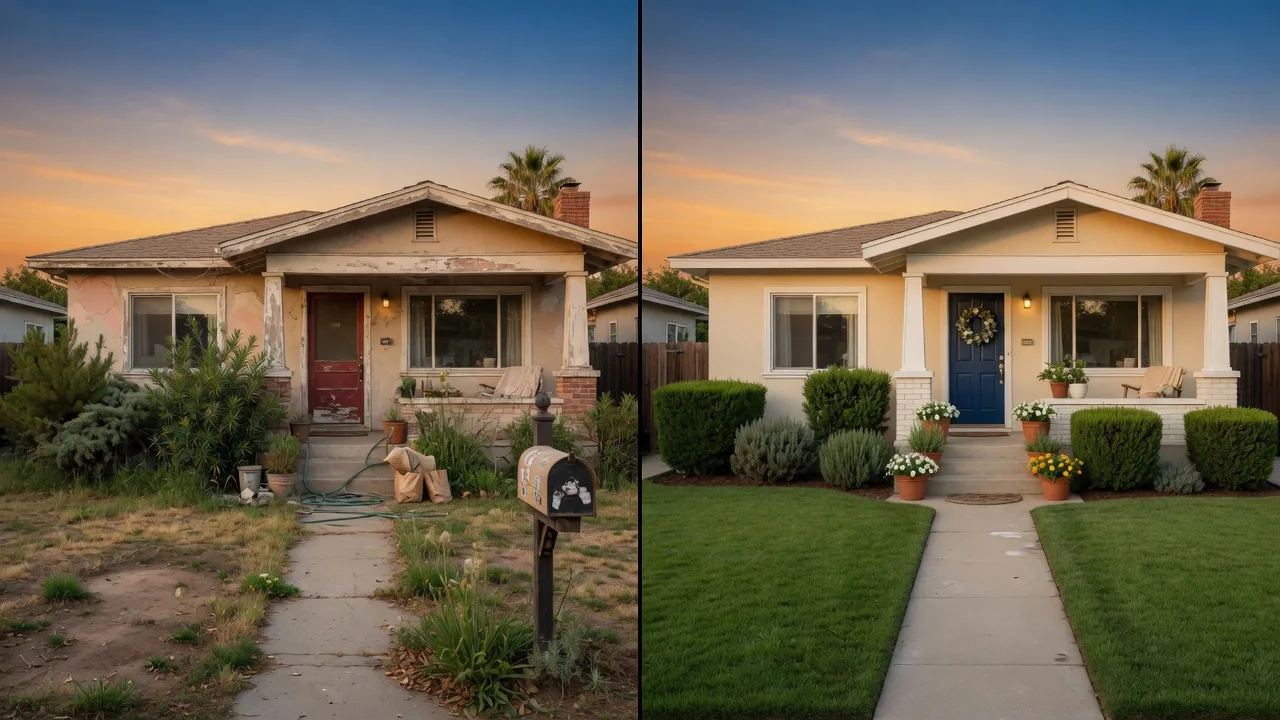
Buyers compare a home to recent sales and adjust for condition. A dated, tired home sits in a different bracket than a refreshed one, even on the same street.
Guide for Heirs, Executors & Trustees
Every estate sale eventually faces the same question: sell the inherited home as-is, or invest time and money in repairs first? This guide compares both approaches honestly, explains which kinds of work can help a sale, and shows when major renovations may not be worthwhile.
Daniel Racedo, Realtor with eXp Realty and a Certified Probate Real Estate Specialist with a hands-on construction background and 40 years of experience serving the San Fernando Valley and surrounding Los Angeles County, helps families evaluate the trade-offs before spending a dollar. The guidance here is general information, not legal or tax advice, and no outcome is guaranteed.
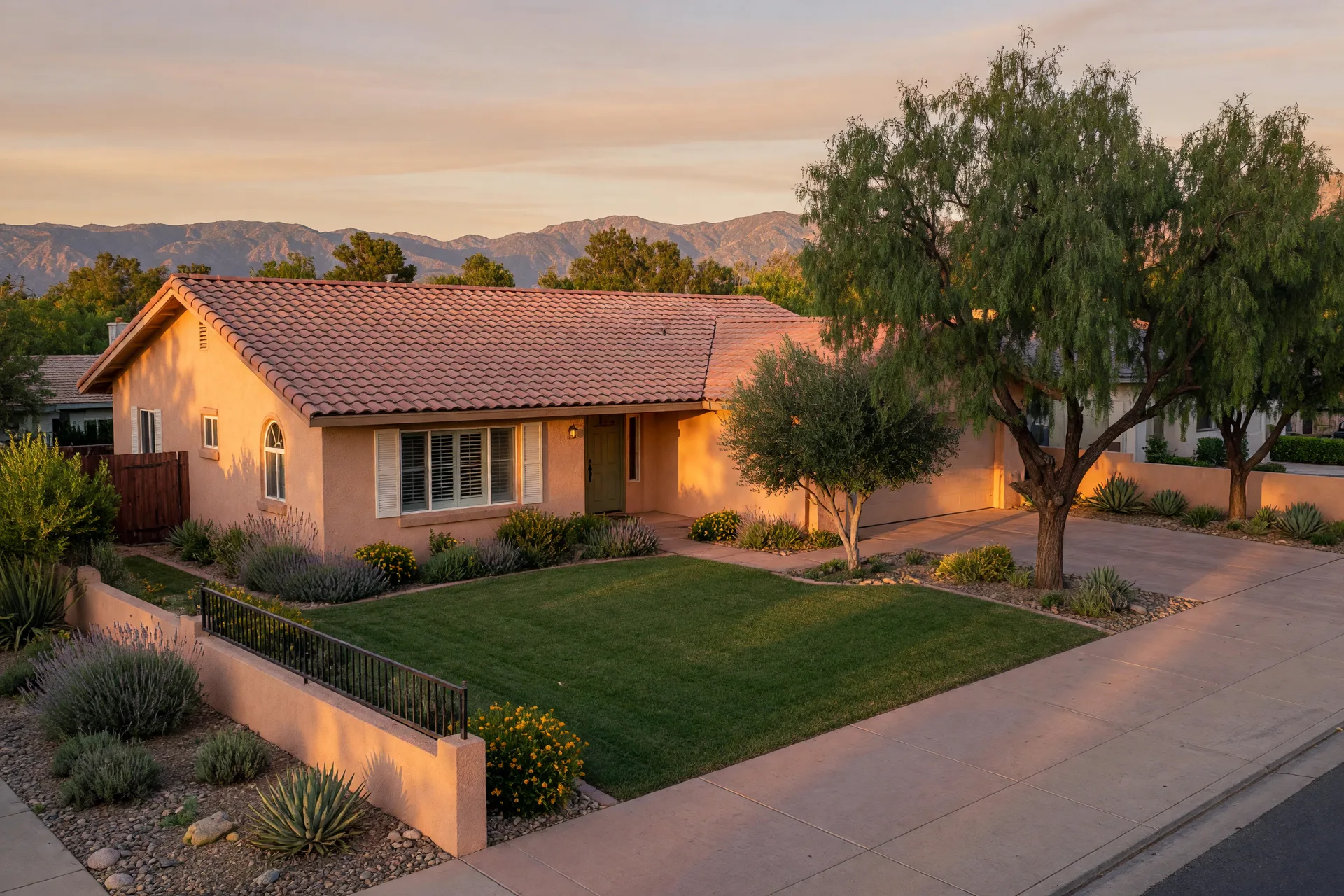
The Honest Comparison
Selling as-is is not a shortcut and not a concession. For many estates it is the right call. For others, a prepared sale wins. Here is the honest case for both sides.
Where Dollars Do the Most
These are general guidelines, not guarantees. Whether a specific repair is worth its cost depends on the home, the neighborhood, and the market, and a personalized valuation shows the impact for your property.
Buyers and appraisers react strongly to obvious deferred maintenance: failing roofs, water damage, outdated electrical, and aging heating and cooling. Addressing the items inspectors flag can prevent surprises on inspection day and keep financing options open.
Handrails, smoke and carbon monoxide detectors, electrical fixes, and similar code-level items are low cost and remove obstacles rather than add glamour.
Landscaping, exterior paint, a clean entry, and a tidy yard are the highest-visibility dollars an estate can spend. First impressions set the stage for everything else.
A deep clean, a declutter, and simple staging help buyers picture the home. For most estates, this matters more than renovation.
Where a kitchen or bath is truly dated, modest and functional updates can help a sale in the right market. Full, high-end remodels rarely return their cost, and taste is personal.

Know When to Stop
Estate sales run on timelines and carry costs. Court calendars, trustee duties, property taxes, insurance, utilities, and any mortgage payments run while work proceeds. In a probate estate, the process answers to deadlines, and a months-long remodel can cost more in carrying costs than it adds in value.
Renovations also carry real risk: budgets slip, schedules stretch, and taste is personal. What the family loves, a buyer may discount. Many buyers actually prefer to choose their own finishes, and an honestly priced as-is home can be more attractive than a remodeled home priced higher.
As a general approach across markets, the simplest path to a strong result is to handle deferred maintenance and safety items, present the home cleanly, and price it to today's market, letting valuation data guide any bigger decisions. Tax treatment of improvements varies by situation, so ask your tax advisor rather than assuming.

Pricing Basics
Buyers compare a home to recent sales and adjust for condition. A dated, tired home sits in a different bracket than a refreshed one, even on the same street.
Move-in-ready homes draw the widest audience, including financed buyers. Homes needing work draw investors and cash buyers who expect a discount for the effort.
An overpriced as-is home sits and accumulates holding costs; an underpriced prepared home leaves estate value on the table. Current market data keeps the price defensible.
A personalized estate property valuation reflects the home's condition and today's market conditions, and Daniel will show you what the numbers suggest before you commit either way. No price is guaranteed in any market.
Two Paths to a Buyer
Both routes can work, and the right one depends on the estate's timeline, the home's condition, and the family's goals. Here is a balanced look.
A cash investor offer brings speed, no financing contingency, and as-is simplicity, which can suit an estate on a tight timeline or with a challenging property. The trade-offs are real: direct offers are typically below what a competitive open-market sale can achieve, and the family never sees what other buyers might have paid.
An open-market listing reaches the broadest pool: other investors, cash buyers, and financing buyers competing together. It takes longer and asks more of the estate, but it lets the market set the final number. In court-confirmed probate sales, the confirmation process can draw overbids, which can work in the estate's favor.
Many families benefit from seeing both at once: understanding what a credible cash offer looks like, then testing the open market with realistic pricing. Daniel brings both perspectives: his investor experience helps evaluate cash offers honestly, and his listing experience maximizes open-market exposure. No one can promise which path achieves more.

How Daniel Can Help
To see how Daniel structures the sale for different estate situations, visit the Services page or the Executors, Trustees & Heirs page .
Start with a free estate property valuation to see what the home is worth as-is and what a prepared sale could suggest, before any money is spent.

Frequently Asked Questions
The most common questions families ask before deciding how much work to put into an inherited home.
No. Selling as-is is a common, legitimate choice for estates, especially when time or distance is a factor. The right answer depends on the home's condition, the market, and the estate's timeline. Daniel will help you compare a realistic as-is price against the cost and time of repairs before you decide.
Not necessarily. An as-is sale is priced for condition and attracts a different buyer pool, including investors and cash buyers. In some markets the discount is modest; in others it is significant. A personalized valuation based on current comparable sales shows the honest range for the specific home, and no one can promise a specific price.
Often, yes. A trustee or personal representative with the right authority can accept a cash offer directly. In court-confirmed probate sales, the court's confirmation process applies and qualified overbidders may still participate. Whether a direct investor sale fits your situation depends on the estate's authority and obligations, so confirm the details with the estate attorney.
The highest-value items are typically the deferred maintenance and safety items that inspectors and appraisers flag, plus curb appeal and a thorough cleaning. Bigger remodels need case-by-case analysis. Daniel's construction background helps scope the options, and the estate's tax advisor can speak to how improvements are treated for the estate's purposes.
Answers above are general information about real estate services, not legal or tax advice. Consult your attorney, CPA, or tax advisor about your estate's specifics.
Daniel Racedo is a real estate professional, not an attorney, CPA, or tax advisor. Repair costs, returns, and tax treatment vary by property, market, and situation. The information on this page is general education about real estate services, not legal, tax, or financial advice, and no sale price, timeline, or outcome is guaranteed. Families and fiduciaries should consult their attorney, CPA, or tax advisor before deciding how to prepare an estate property for sale.
Start with a free, no-obligation estate property valuation and a straight conversation about repairs, pricing, and timeline, from a specialist with 40 years of experience and the construction know-how to back it up. Let's talk real estate.